Association of Korean-Canadian
Scientists and Engineers at the
University of Toronto
Association of
Korean-Canadian
Scientists and
Engineers at the
University of Toronto
The Association of Korean-Canadian Scientists and Engineers at the University of Toronto is a non-profit professional organization to support sharing scientific knowledge between Korean-Canadians and setting up connections between Korea and Canada for further development.
Learn More


AKCSE UofT First Year Seminar 2026
2026 First Year Seminar 현장을 영상으로 만나보세요
Featured this month
ADHD Medication: Treatment or Study Aid?
Attention-deficit/hyperactivity disorder (ADHD) is a neurodevelopmental disorder characterized by persistent patterns of inattention, hyperactivity, and impulsivity that can interfere with an individual’s daily functioning.1 ADHD can continue into adulthood and affect different aspects of life, including academic and occupational performance. Medications, particularly prescription stimulants, are commonly used to help manage ADHD symptoms. However, the use of these medications is not limited to individuals who have been prescribed them for ADHD. Non-medical use of prescription stimulants has been reported among university students, often with the goal of improving concentration, studying for longer periods, or enhancing academic performance.1 In one large survey of more than 3,400 undergraduate students, improving the ability to study was the most frequently reported reason for using ADHD medication without a prescription.2 This practice may be particularly relevant in university environments, where students face exams, deadlines, competition, and pressure to achieve high grades. These circumstances can contribute to the perception of ADHD medications as “study drugs” that provide an academic advantage. However, research suggests that the relationship between non-medical stimulant use and improved academic performance is not as straightforward as this perception implies.3 This raises important questions about how ADHD medications work, why students use them without medical supervision, and the potential consequences of their misuse. ADHD medications used in clinical practice are generally classified as either stimulants or non-stimulants. In most cases, stimulants including methylphenidate- and amphetamine-based medications, are used as first-line pharmacological treatments for ADHD.4,5 Non-stimulants, such as atomoxetine and guanfacine, provide an alternative, particularly when stimulants are ineffective or unsuitable. Although individual medications act through different mechanisms, many ADHD share a common feature in their mechanisms: they influence signalling involving dopamine (DA) and/or norepinephrine (NE), two chemical messengers that play important roles in regulating attention and executive functions.5,6 Stimulants mainly work by increasing the availability of DA and NE between neurons. Normally, DA and NE released between neurons are taken back up by specialised transporter proteins. Methylphenidate blocks transporter proteins, allowing more DA and NE to remain available between neurons, while amphetamines both interfere with their reuptake and promote their release.7,8 Non-stimulants act somewhat differently. Atomoxetine primarily blocks norepinephrine reuptake, increasing norepinephrine and, indirectly, dopamine particularly in the prefrontal cortex. Guanfacine, in contrast, stimulates specific norepinephrine receptors known as α2A receptors, rather than increasing neurotransmitter levels directly.6 Despite these differences, these medications ultimately affect signalling in the prefrontal cortex, a brain region important for maintaining attention, working memory, planning, and behavioural control. By strengthening signalling within these neural networks, ADHD medications can improve the brain’s ability to regulate attention and behaviour.9 In practice, ADHD medications are used both therapeutically and non-medically, particularly in the case of stimulants. For individuals with ADHD, stimulants are established treatments that can reduce core symptoms such as inattention, hyperactivity, and impulsivity. Nevertheless, prescription stimulants are also used by individuals without a prescription, including young adults and students. Previous studies have reported past-year non-medical use rates as high as 35% among college-age individuals.10 Although non-medical users often take stimulants with the expectation of enhancing concentration and academic performance, their cognitive benefits in individuals without ADHD are less clear. Research suggests that stimulants may improve sustained attention and certain types of memory, but their effects on other cognitive functions are mixed and often depend on an individual’s baseline performance. Therefore, despite their reputation as “smart drugs”, stimulants may be more effective at correcting cognitive deficits than broadly enhancing cognitive performance.11 Although prescription stimulants are sometimes used by students for cognitive or academic enhancement, their benefits for individuals without ADHD are limited and inconsistent. Students may perceive these medications as providing a cognitive boost, even though research does not support the idea that they function as universal “focus enhancers.” This gap between perceived and actual benefits may help explain why non-medical stimulant use continues in academic settings. The non-medical use of prescription stimulants among students is closely connected to academic demands and performance pressure. Students may use medications such as Adderall and Ritalin during examinations, major assignment deadlines, or intensive study periods in the belief that they will help them remain alert, focused, and productive. A 2021 study of college students found that prescription-stimulant misuse was associated with specific academic contexts, including immediate academic demands and the timing of schoolwork, indicating that misuse may be more likely during periods of academic pressure.12 Access to prescription stimulants also contributes to their non-medical use among students. Diversion, in which prescribed medication is shared, given away, or sold to another person, allows students without prescriptions to obtain these drugs. This behaviour may also be influenced by a perception that prescription medications are relatively safe because they are medically approved and prescribed by physicians. As a result, some students may underestimate the risks of using these drugs without medical supervision. A 2023 study involving more than 231,000 U.S. secondary-school students found that non-medical prescription-stimulant use was commonly motivated by perceived academic or cognitive benefits and that friends at the same school were a common source of these medications.13 Similarly, a 2025 systematic review identified peer exposure and surplus medication as important factors associated with stimulant diversion, while also noting that evidence remains limited regarding which prevention strategies are most effective in real-world settings.14 These findings suggest that stimulant misuse should be considered not only an individual choice but also a social issue influenced by academic environments, peer networks, and access to prescription medication. Non-medical stimulant use can also involve significant health risks. Common adverse effects include sleep disturbances, anxiety, appetite suppression, increased heart rate, and elevated blood pressure.15 Repeated or inappropriate use may also increase the risk of dependence and stimulant-use disorder.15 These risks are particularly important in academic environments where students may view prescription stimulants primarily as tools for maintaining productivity rather than as medications intended to be used under medical supervision. Addressing stimulant misuse therefore requires greater awareness of its potential health consequences and limitations of its academic benefits. It also requires attention to broader factors such as performance pressure, academic competition, and peer access to prescription medications. ADHD medications are valuable treatments that can help individuals with ADHD manage symptoms that interfere with their daily functioning. However, their therapeutic benefits should not lead to the assumption that these medications act as simple “concentration boosters” for everyone. Although improving academic performance is one of the most commonly reported motivations for non-medical stimulant use, research provides little evidence that this practice actually improves academic outcomes in individuals without ADHD.3 The issue also extends beyond whether these medications help students study more effectively. Non-medical stimulant use can involve adverse health outcomes and other risks, particularly when medications are used without appropriate medical supervision.3 At the same time, viewing the issue only as individual drug misuse overlooks the environment in which this behavior occurs. Academic pressure, competition, and the desire to remain productive may all contribute to why some students turn to prescription stimulants. Therefore, addressing non-medical ADHD medication use requires both greater awareness of its potential risks and a more realistic understanding of what these medications can actually accomplish. Broader discussions about academic pressure and student well-being may also help challenge the perception of prescription stimulants as harmless shortcuts to academic success. 1. Davidson MA. 2008. ADHD in adults: A review of the literature. Journal of Attention Disorders. 11(6):628–641. 2. Rabiner DL, Anastopoulos AD, Costello EJ, Hoyle RH, McCabe SE, Swartzwelder HS. 2009. Motives and perceived consequences of nonmedical ADHD medication use by college students: Are students treating themselves for attention problems? Journal of Attention Disorders. 13(3):259–270. 3. Faraone SV, Rostain AL, Montano CB, Mason O, Antshel KM, Newcorn JH. 2020. Systematic Review: Nonmedical Use of Prescription Stimulants: Risk Factors, Outcomes, and Risk Reduction Strategies. Journal of the American Academy of Child & Adolescent Psychiatry. 59(1):100–112. 4. Stevens JR, Wilens TE, Stern TA. 2013. Using stimulants for attention-deficit/hyperactivity disorder. The Primary Care Companion For CNS Disorders. 15(2). doi:10.4088/pcc.12f01472. [accessed 2026 Sept 30]. 5. Groom MJ, Cortese S. 2022. Current pharmacological treatments for ADHD. Current Topics in Behavioral Neurosciences. 57(57). doi:10.1007/7854_2022_330. 6. Brennan AR, Arnsten AFT. 2008. Neuronal mechanisms underlying attention deficit hyperactivity disorder. Annals of the New York Academy of Sciences. 1129(1):236–245. doi:10.1196/annals.1417.007. [accessed 2026 Sept 30]. 7. Faraone SV. 2018. The pharmacology of amphetamine and methylphenidate: Relevance to the neurobiology of attention-deficit/hyperactivity disorder and other psychiatric comorbidities. Neuroscience & Biobehavioral Reviews. 87(87):255–270. doi:10.1016/j.neubiorev.2018.02.001. [accessed 2026 Sept 30]. 8. Newcorn JH, Krone B, Dittmann RW. 2022. Nonstimulant treatments for ADHD. Child and Adolescent Psychiatric Clinics of North America. 31(3). doi:10.1016/j.chc.2022.03.005. 9. Arnsten AFT, Pliszka SR. 2011. Catecholamine influences on prefrontal cortical function: Relevance to treatment of attention deficit/hyperactivity disorder and related disorders. Pharmacology Biochemistry and Behavior. 99(2):211–216. doi:10.1016/j.pbb.2011.01.020. 10. Sweeney CT, Sembower MA, Ertischek MD, Shiffman S, Schnoll SH. 2013. Nonmedical use of prescription ADHD stimulants and preexisting patterns of drug abuse. J Addict Dis. 32(1):1–10. doi:10.1080/10550887.2012.759858. [accessed 2026 Sept 30]. 11. Lakhan SE, Kirchgessner A. 2012. Prescription stimulants in individuals with and without attention deficit hyperactivity disorder: Misuse, cognitive impact, and adverse effects. Brain and Behavior. 2(5):661–677. doi:10.1002/brb3.78. 12. Barringer A, Papp LM. 2022. Academic factors associated with college students’ prescription stimulant misuse in daily life: An ecological analysis of multiple levels. Journal of American College Health. 70(7):2008–2016. doi:10.1080/07448481.2020.1841774. 13. McCabe SE, Schulenberg JE, Wilens TE, Schepis TS, McCabe VV, Veliz PT. 2023. Prescription stimulant medical and nonmedical use among US secondary school students, 2005 to 2020. JAMA Network Open. 6(4):e238707. doi:10.1001/jamanetworkopen.2023.8707. 14. Forrest J, Chen W, Jagadheesan K. 2025. Misuse and diversion of stimulant medications prescribed for the treatment of ADHD: A systematic review. Frontiers in Psychiatry. 16:1612785. doi:10.3389/fpsyt.2025.1612785. 15. LaBossier NJ, Hadland SE. 2022. Stimulant misuse among youth. Current Problems in Pediatric and Adolescent Health Care. 52(9):101265. doi:10.1016/j.cppeds.2022.101265.
Learn More

Upcoming Events
Sponsor
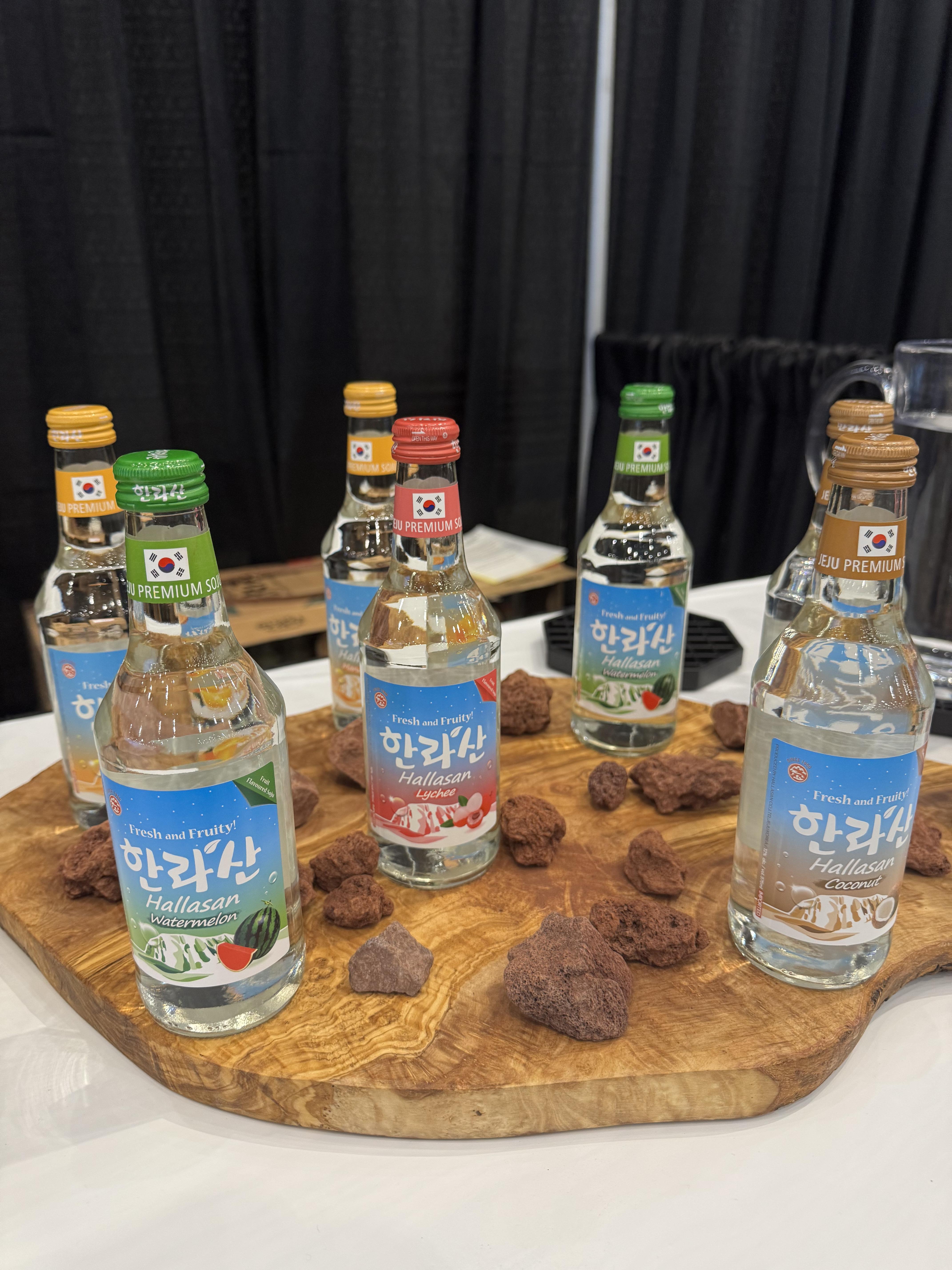
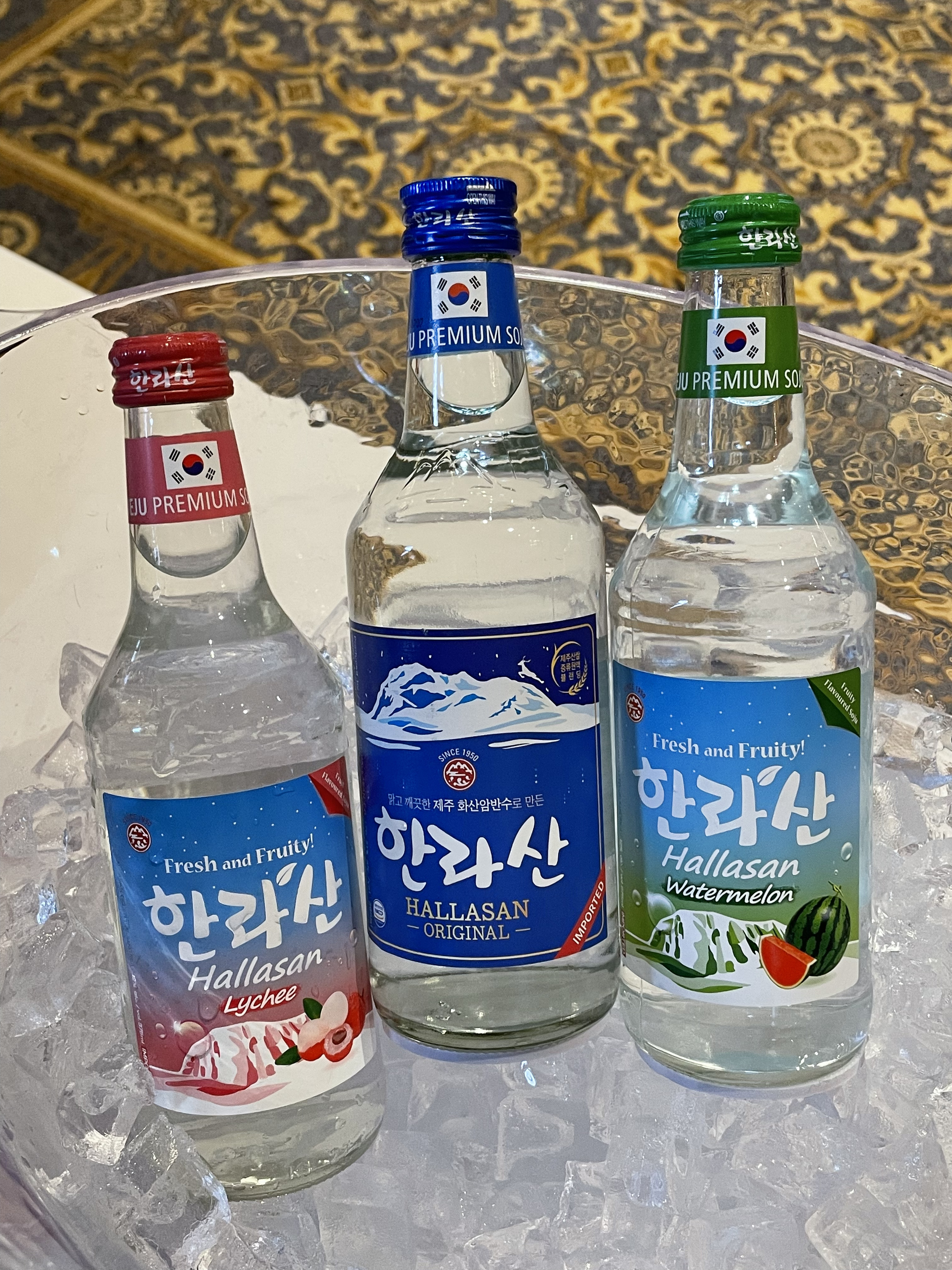
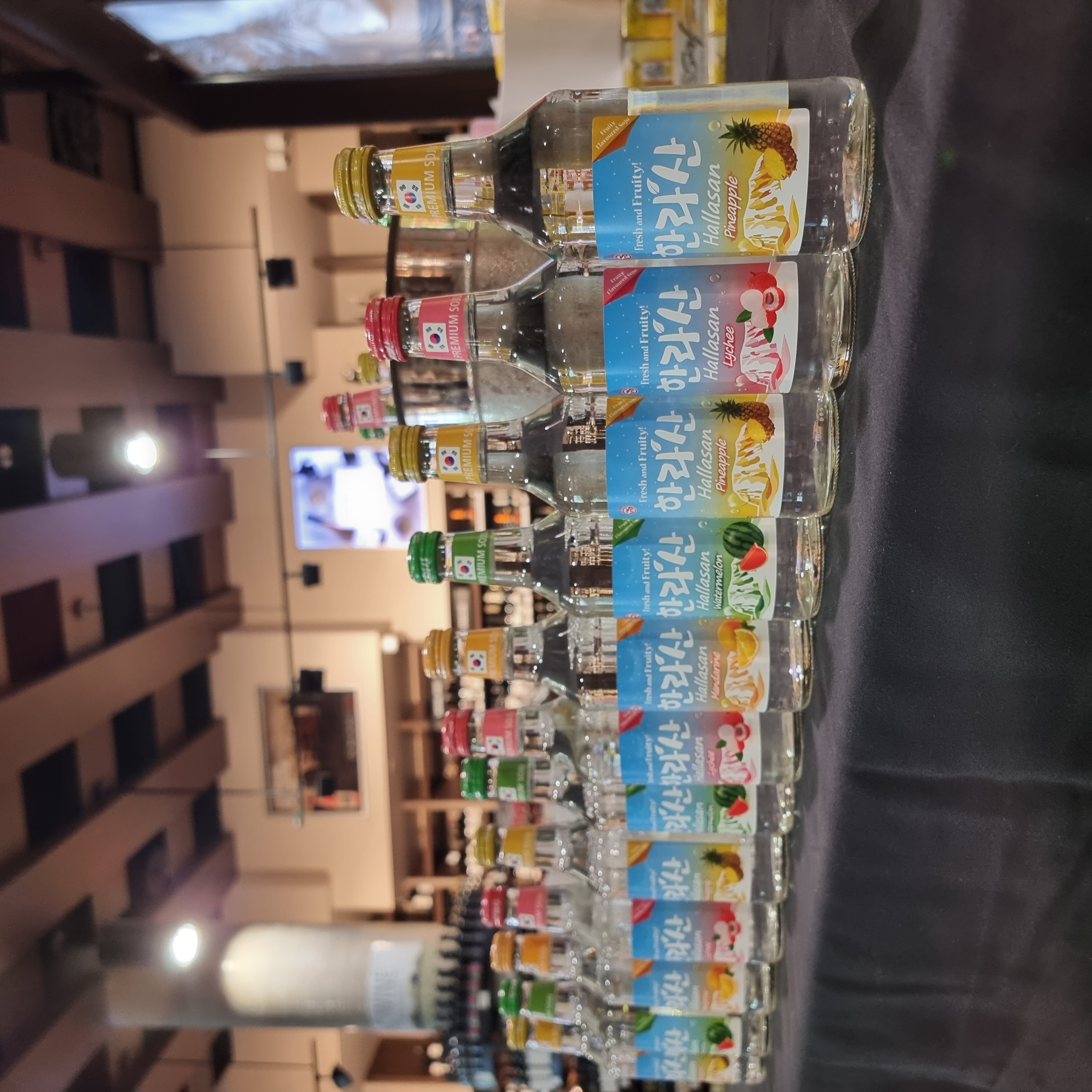
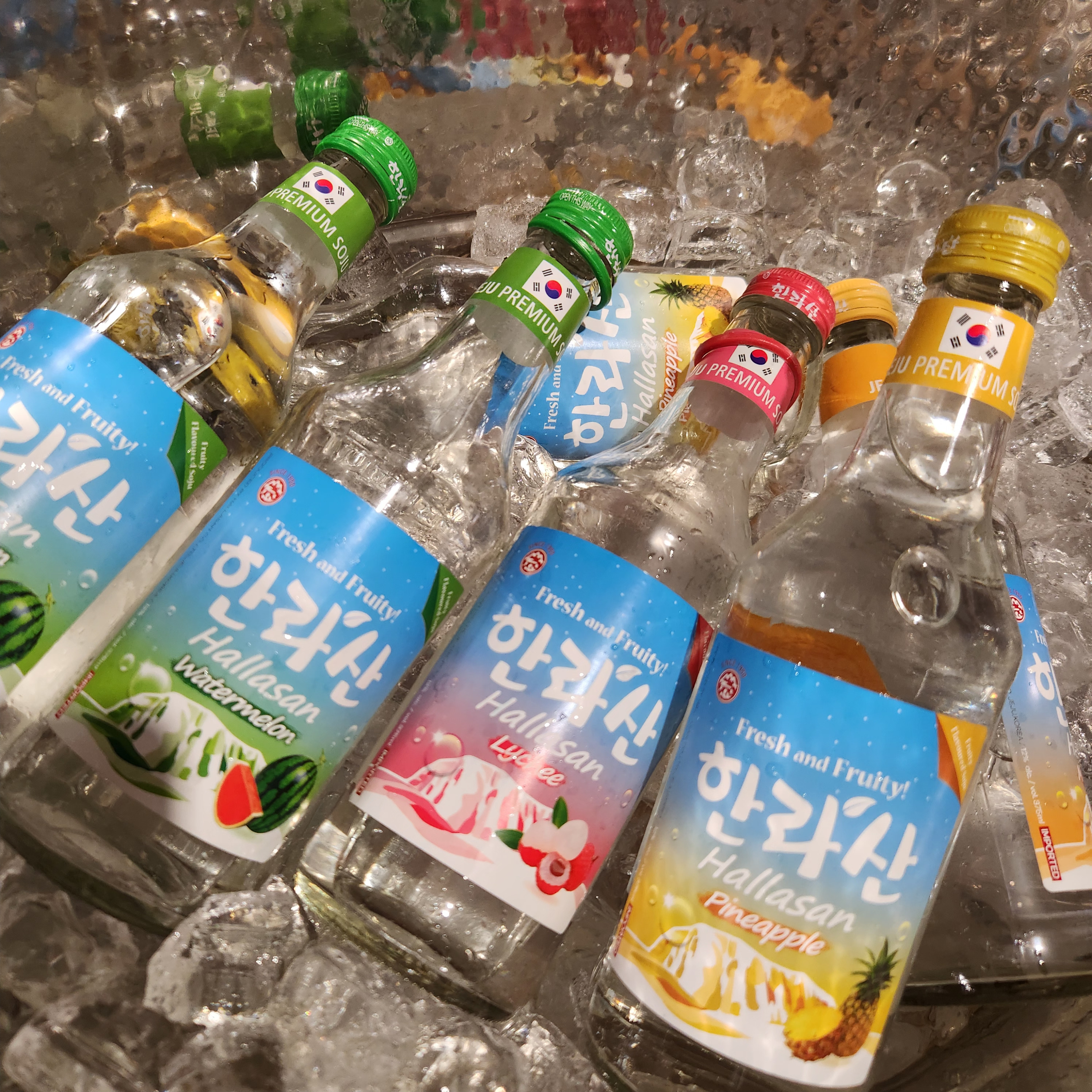
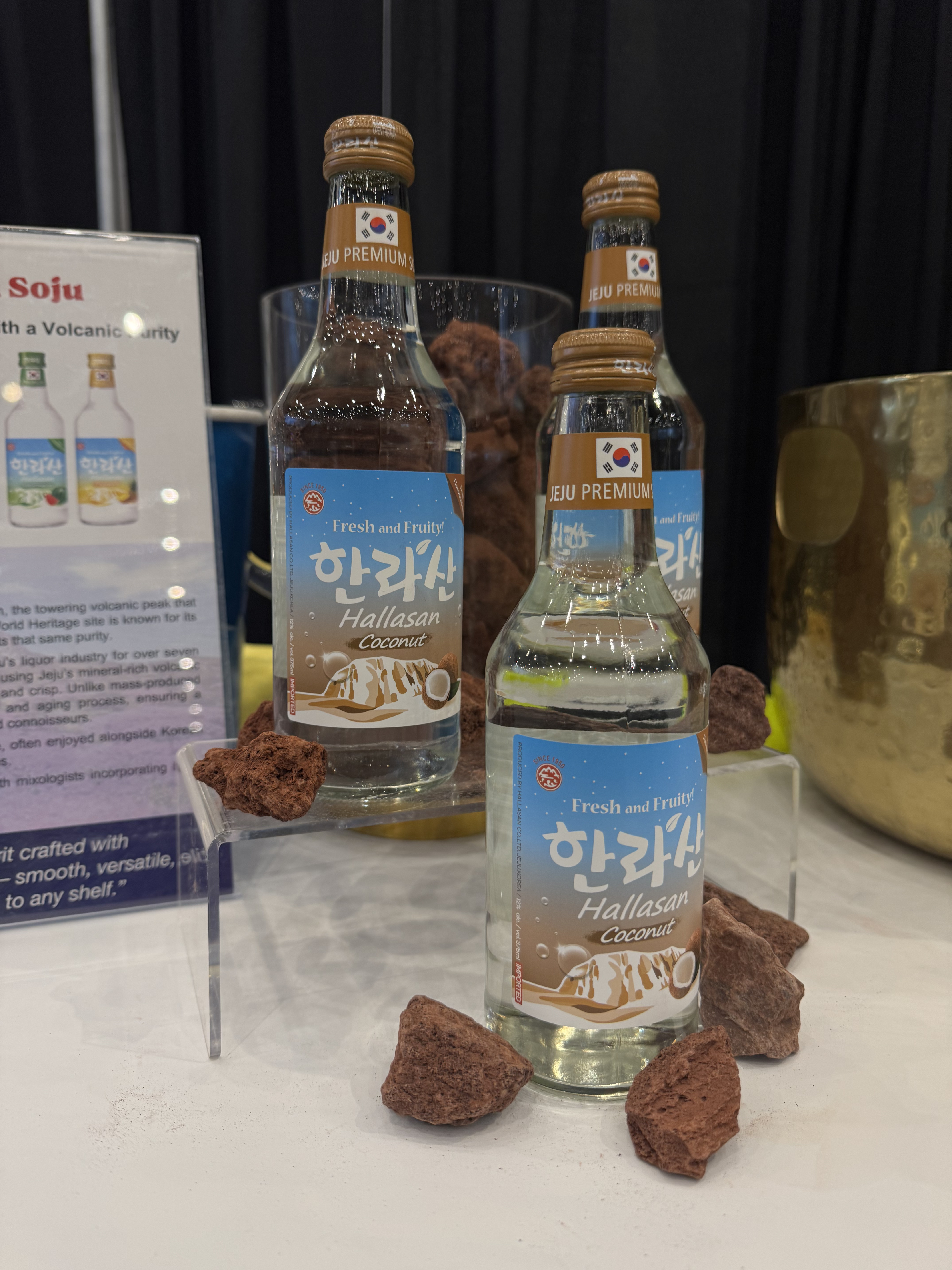
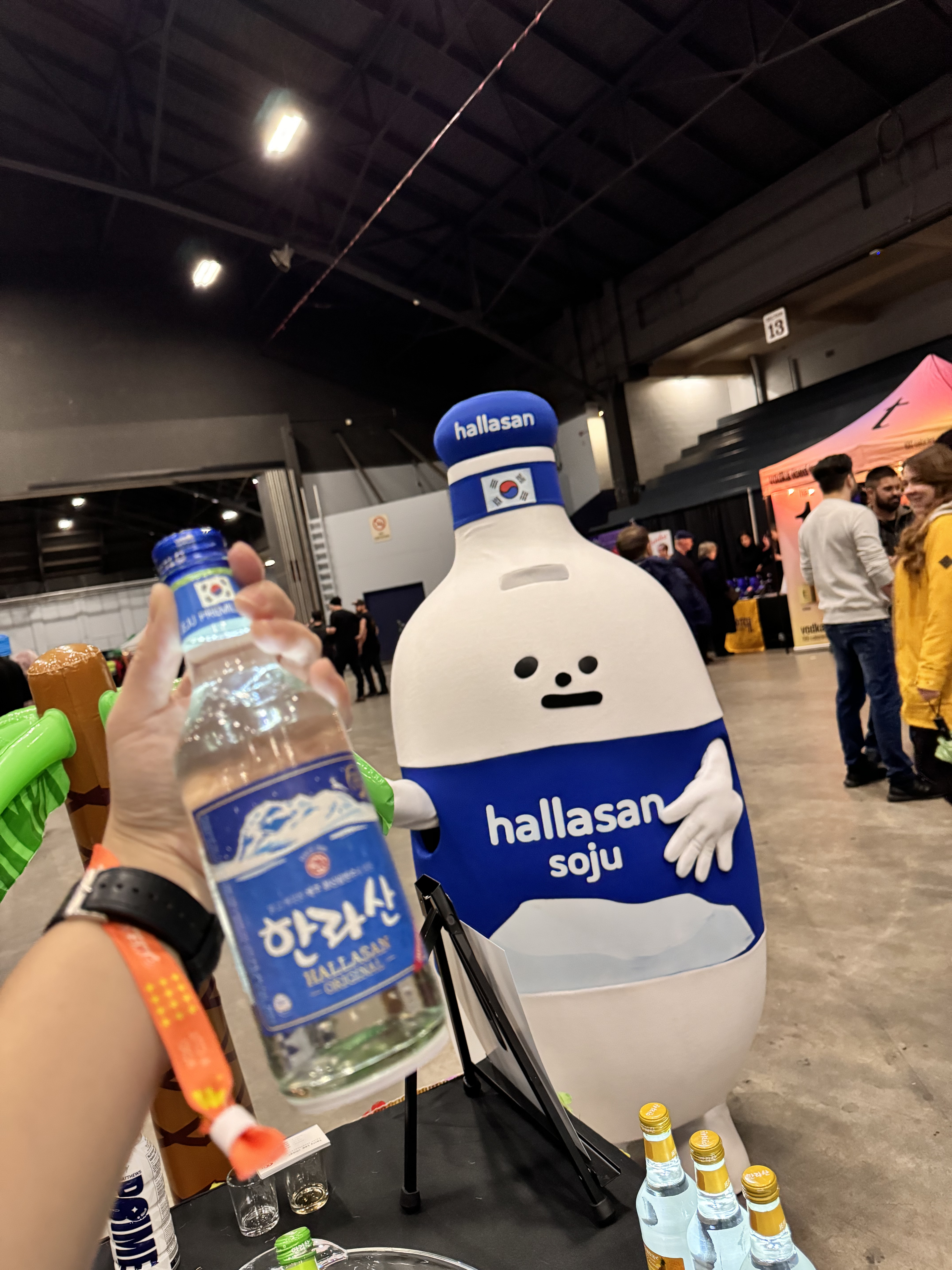
Hallasan

Hallasan is a premium soju from Jeju Island, South Korea, made using naturally alkaline, volcanic rock-filtered water, which gives it a clean and crisp taste. The original version is known for a higher alcohol content 21% and smooth profile, while flavored varieties, such as Mandarin and Lychee, are made with natural fruit juice for a balanced sweetness. It's often served cold and is versatile for sipping or mixing in cocktails.
Explore